IMO Approves Global Carbon Pricing Framework for Shipping

ZEEMAN

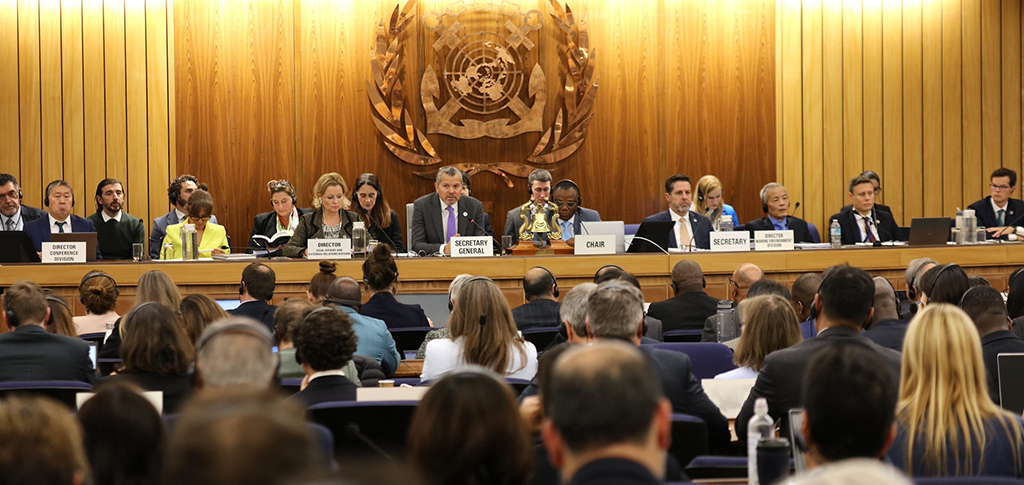
The global maritime industry is preparing for a major regulatory shift after the International Maritime Organization (IMO) approved a new framework aimed at reducing greenhouse-gas emissions from international shipping.

The decision forms part of the IMO’s long-term strategy to achieve net-zero greenhouse-gas emissions from shipping by around 2050. The new framework introduces a system that will effectively place a price on carbon emissions from ships, encouraging shipowners to invest in cleaner fuels and more efficient vessels.

According to industry reports and discussions within the IMO Marine Environment Protection Committee (MEPC), the proposed mechanism would require ships that exceed emissions targets to pay a financial contribution, while vessels using low-carbon fuels or meeting efficiency targets would benefit from lower costs.

The maritime sector transports around 90% of global trade, making it one of the most important industries affected by climate policy. Shipping companies are therefore accelerating investments in alternative fuels such as:

  • LNG

  • methanol

  • ammonia

  • biofuels

For shipowners and operators, the transition will also require well-trained crews capable of handling new propulsion technologies and fuel systems.

For crewing companies, these changes highlight the growing importance of recruiting seafarers with experience in modern engine systems, environmental compliance, and advanced ship technologies.

Our crewing team continues to monitor regulatory developments and supports shipowners by sourcing qualified officers and engineers ready to operate the next generation of environmentally compliant vessels.

Source: International Maritime Organization discussions and policy framework under the IMO GHG Strategy.
NEWS

Other news

Global Shipping Industry Strengthens Cooperation on Maritime Crisis Response

International cooperation in the maritime sector is intensifying as global organizations respond to ongoing security and operational challenges. The International Maritime Organization confirmed close coordination with major industry bodies including BIMCO and International Chamber of Shipping to address emerging risks in global shipping. A dedicated international task force has been established to improve: maritime safety […]

Read more
IMO Moves Toward Mandatory Cybersecurity Regulations for Shipping

The International Maritime Organization is taking further steps toward strengthening cybersecurity requirements across the global shipping industry. During the latest IMO Facilitation Committee session (FAL 50), a proposal supported by the International Association of Ports and Harbors (IAPH) advanced efforts to introduce mandatory cybersecurity measures for maritime operations. As ships become increasingly digitalized, cyber risks […]

Read more
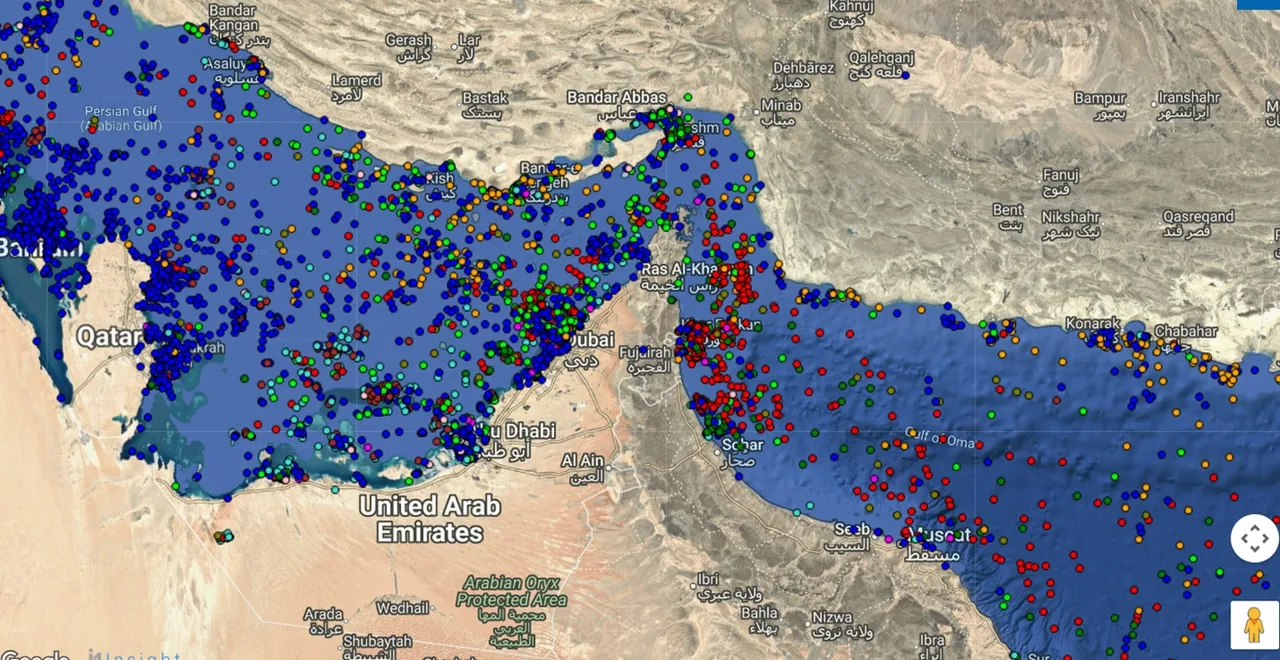
Maritime Security Crisis in Strait of Hormuz Escalates

The global shipping industry is facing increased security risks following a series of attacks on commercial vessels in the Strait of Hormuz. According to the International Maritime Organization, 21 attacks on commercial ships have been confirmed since late February 2026, resulting in 10 seafarer fatalities and multiple injuries. Around 20,000 seafarers remain onboard vessels in […]

Read more
Seafarer Mental Health Remains a Key Challenge in 2025 Industry Survey

The mental health and wellbeing of seafarers remain a major concern for the maritime industry, according to the latest international surveys conducted by organizations such as International Seafarers’ Welfare and Assistance Network (ISWAN). Recent findings indicate that a significant percentage of seafarers continue to experience high levels of stress, fatigue, and isolation during contracts at […]

Read more
Global Shipping Industry May Face Major Officer Shortage by 2026

The global shipping industry is expected to face a serious shortage of qualified ship officers in the coming years, according to the BIMCO/ICS Seafarer Workforce Report. Industry data shows that around 1.89 million seafarers currently operate more than 74,000 merchant vessels worldwide. However, demand for experienced officers continues to grow as the global fleet expands […]

Read more

Contact us

We connect demanding shipping companies with highly qualified seafarers.